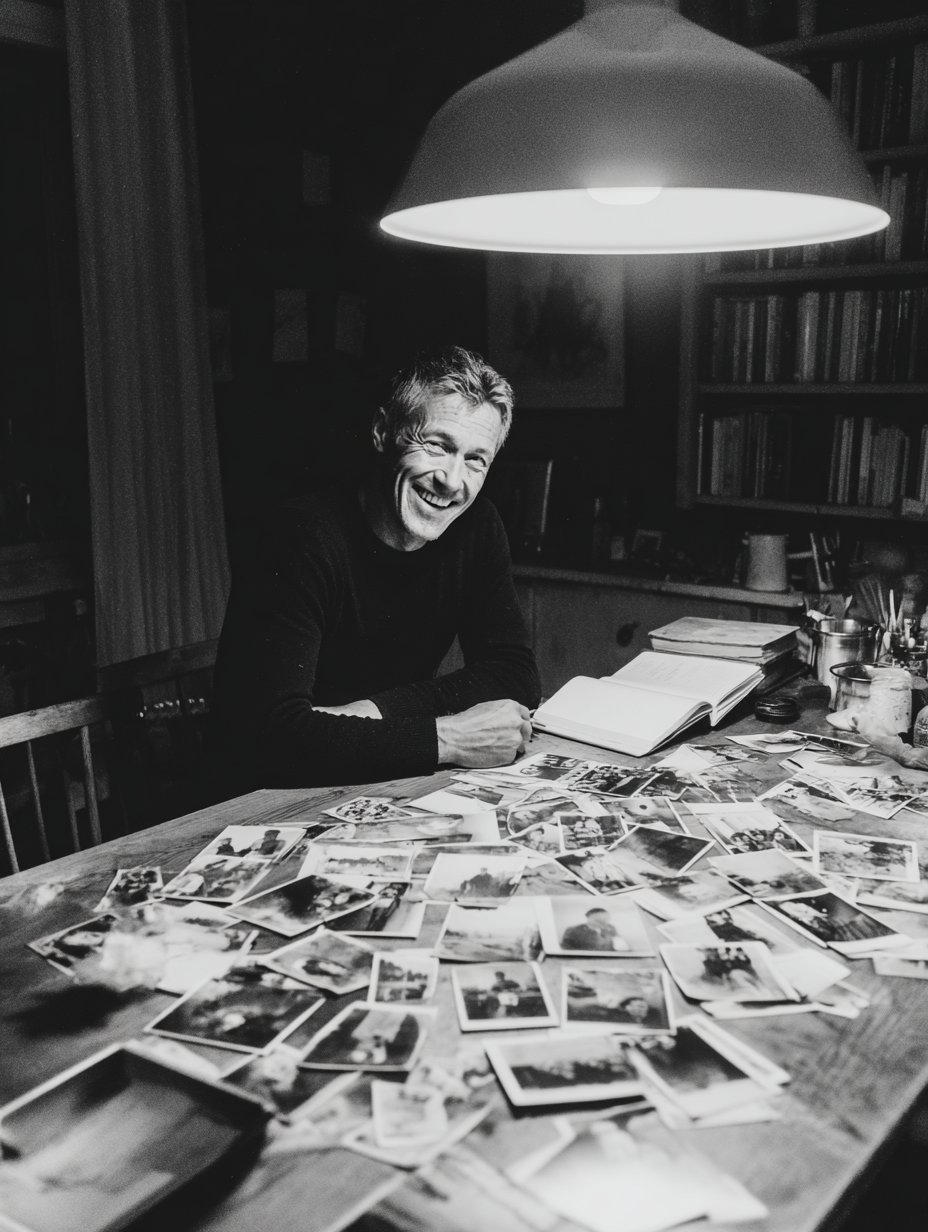
We talk about legacy as if it's about being remembered. We want to leave something behind that ensures our name, our face, our existence isn't forgotten.
But being remembered and being known are two completely different things. And it's the second one that matters.
The difference
Being remembered means someone knows you existed. A photograph in a box. A name in a family tree. The fact of you — your dates, maybe your occupation, maybe a few stories that got passed down.
Being known means someone understands who you were. Your fears and your humor and your contradictions. The way you handled a hard thing. What you sounded like when you were really happy. The recipe you made when you wanted to show love. The thing you believed in so firmly you'd still be standing there at the end.
Photographs create memory. Stories, recordings, letters — these create knowledge.
Why knowledge matters more
Here's a simple test: think of a grandparent or great-grandparent you never met. You likely know they existed. You may know a few facts about them.
Now ask yourself: do you know them? Do you know what they were afraid of? What made them laugh? What they were like when they were twenty-five? What they would have thought about the world you live in?
Almost certainly not. That knowledge died with them, or with the people who knew them, and no one thought in time to save it.
Now imagine that you had recordings. Letters. A recipe with notes in the margin. A video of them cooking and talking and just being a person in a kitchen on a Tuesday.
That's the difference between being remembered and being known.
What you're actually building
When you write a letter to a grandchild you can't reach, you're not trying to be remembered. You're trying to be known. You're trying to give them enough of you that when they finally want to understand who they come from, there's actually something there to understand.
This is a fundamentally generous act. It's not about you, really — it's about them. It's about giving them a fuller picture of the family they came from, the people they carry in their blood, the story they're already part of whether they know it or not.
You are the only one who can do this
No one else can preserve who you are. Your children may remember certain things, but they know you as a parent — which is only one facet of you. Your friends know other facets. Your grandchildren know none of them yet.
The full picture of who you are exists only in you. When you're gone, it goes with you — unless you save it first.
That's the real urgency. Not death exactly, but the ordinary erosion of time. The forgetting that happens gradually, the details that disappear, the version of you that existed before you became someone's parent or grandparent or elder.
Write that version down. Record it. Save it.
Being known by someone who's ready to know you — that's a legacy worth building.